Published 14 Oct 2025
How to Use AI & Predictive Analytics in Digital Marketing for Car Dealerships
The automotive industry is moving toward a smarter, data-driven future. Dealerships that once depended on intuition or seasonal campaigns now rely on technology to guide every marketing decision. Artificial intelligence (AI) and predictive analytics make that possible.
These tools allow dealerships to anticipate customer needs instead of reacting to them. Instead of waiting for leads to show interest, a data-informed system can predict when customers are most likely to need service, upgrade their vehicles, or respond to a specific offer.
AI transforms digital marketing for car dealerships from reactive to proactive. By interpreting large volumes of customer data quickly, AI helps dealerships personalize communication, improve timing, and invest marketing dollars more effectively.
Why AI and Predictive Analytics Are Changing Automotive Marketing

Digital marketing in automotive retail has evolved from broad, one-size-fits-all campaigns to precise, personalized communication. Customers now expect brands to know what they want, when they want it, and how they prefer to be contacted.
Traditional methods like mass email blasts or generic social ads struggle to meet those expectations. In contrast, AI and predictive analytics allow marketers to analyze historical data, online behavior, and demographic trends to forecast future actions.
For example, if data shows that a specific segment of customers usually begins researching trade-ins after 24 months of ownership, AI can identify who fits that profile and trigger tailored outreach automatically.
This is important when it comes to digital marketing for car dealerships because instead of guessing when to market or who to target, stores can use predictive tools for better results.
AI-driven marketing also improves collaboration between management, BDC teams, and sales departments. Insights can be shared instantly, so decisions can also be made faster and with greater accuracy. Over time, these systems create consistency through better alignment and timing.
Understanding Predictive Analytics in the Dealership Context
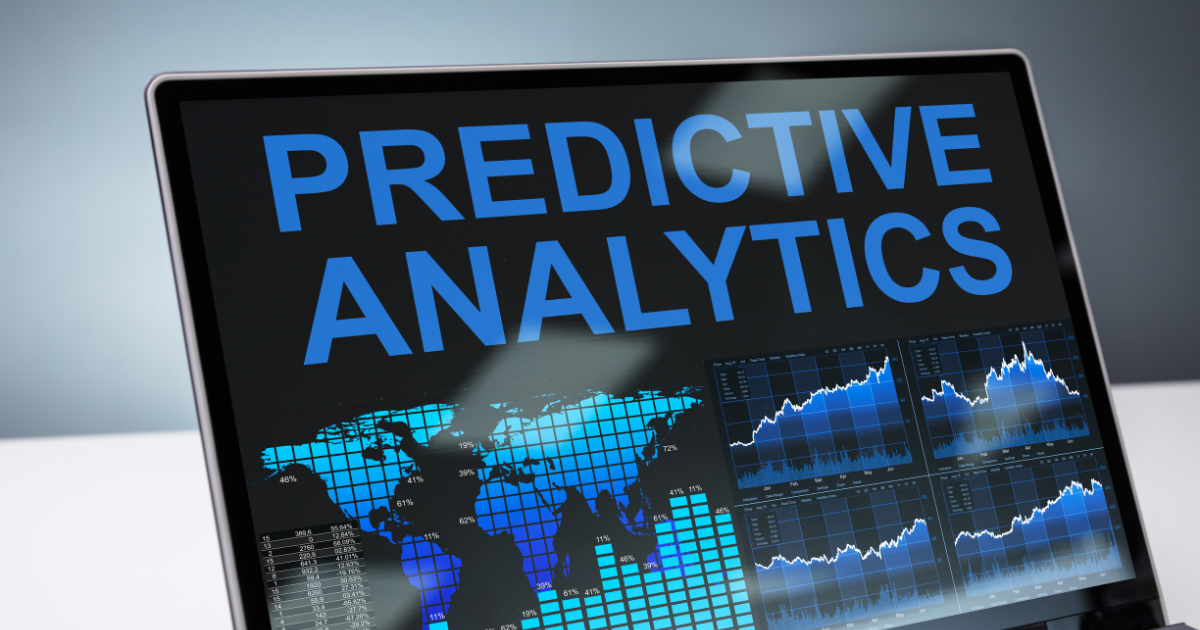
Predictive analytics uses data modeling, statistics, and machine learning to forecast what customers are likely to do next. Dealerships can use data to anticipate buyer intent, identify high-value leads, and manage inventory more strategically. For example, predictive tools can:
-
Flag customers nearing the end of their lease so the sales team can reach out with a renewal offer.
-
Forecast which vehicle types will see increased demand based on local search trends or past sales data.
-
Identify customers who might be at risk of leaving for a competitor due to a lack of recent engagement.
Incorporating predictive analytics into digital marketing for car dealerships allows campaigns to be built around real probabilities rather than assumptions. Instead of launching a promotion because “it’s that time of year,” dealerships can plan based on signals from actual customer behavior.
This approach brings structure and foresight to marketing decisions, helping teams engage earlier in the buyer journey while reducing waste and guesswork.
AI-Powered Lead Scoring and Segmentation
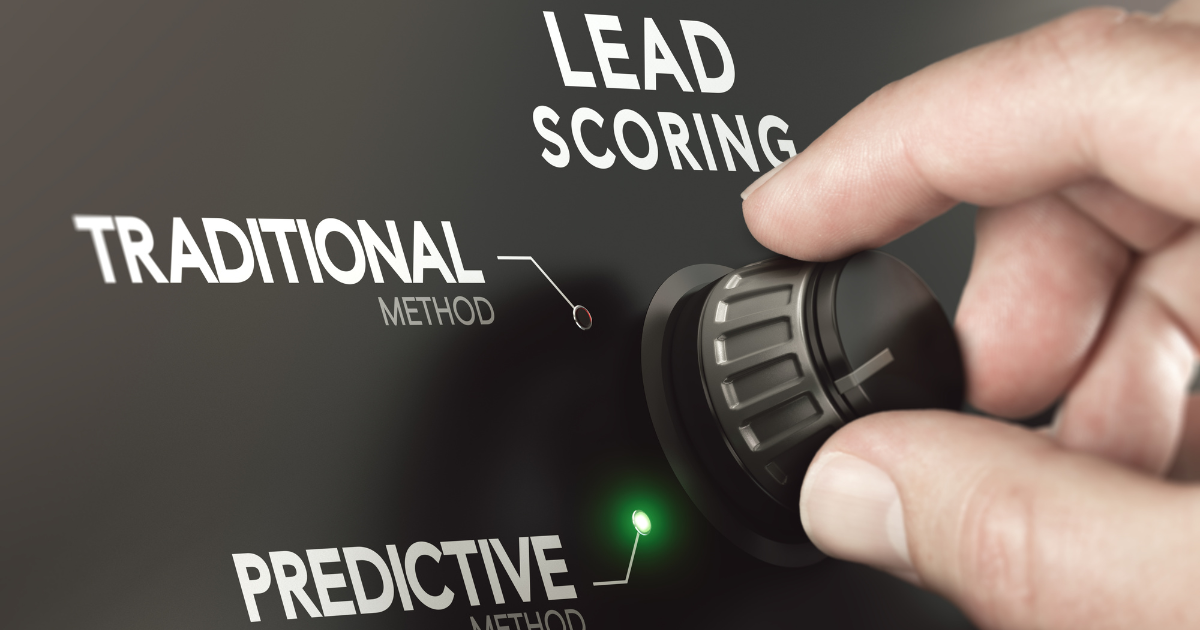
Not all leads are equal, so the challenge is knowing which ones to prioritize. By integrating AI-powered lead scoring and segmentation into digital marketing for car dealerships, you can have higher-quality conversations, better appointment show rates, and more predictable sales outcomes.
AI simplifies that process through predictive lead scoring. This involves analyzing a combination of behavioral data (website visits, form fills, search patterns) and historical sales trends, which allows AI to assign a likelihood score for each lead.
For example, a prospect who returns to the site multiple times, checks vehicle availability, and uses a payment calculator signals higher intent than one who opens a single email. The system ranks these leads automatically so that BDC and sales teams can focus on where conversion potential is strongest.
Segmentation takes this one step further. AI can group leads based on vehicle interest, engagement level, or buying stage. It can even suggest the best outreach method based on past response patterns.
Hyper-Personalized Campaigns with AI
Personalization is a key part of digital marketing for car dealerships because customers respond to messaging that feels tailored.
AI systems can help scale this according to your dealership’s needs by adjusting marketing content to match each shopper’s preferences and browsing history. For example, a visitor exploring truck inventory will later see targeted ads for towing packages or financing offers on similar models. Or a customer researching EVs might receive content about charging options or eco-incentives.
In email marketing, AI enables dealerships to move beyond batch-and-blast newsletters. Campaigns can adapt in real time based on user behavior. For example, if someone clicks a trade-in calculator, subsequent emails can highlight vehicle upgrade offers or pre-qualification tools.
This level of customization improves engagement, allowing customers to feel seen and understood, while giving dealerships a chance to see higher open rates and conversions.
Optimizing Paid Ad Spend with Predictive Models
Advertising budgets are often one of a dealership’s largest marketing expenses and predictive analytics helps make every dollar count.
AI-powered ad platforms analyze campaign performance, audience behavior, and market conditions in real time. They can adjust bids automatically to target customers most likely to convert. For example, if search activity for SUVs increases locally, the system can prioritize those ads immediately.
Predictive bidding also ensures that ads appear when buying intent is highest. Instead of distributing spend evenly, AI concentrates the budget where performance data indicates better results.
This approach leads to smarter allocation rather than bigger budgets. It also prevents waste by identifying underperforming campaigns early, allowing teams to make data-backed adjustments.
By embedding predictive optimization into digital marketing for car dealerships, dealerships align spending with results. They shift from reacting to reports after a campaign ends to improving performance continuously as it runs.
Improving Inventory Marketing and Vehicle Demand Forecasting
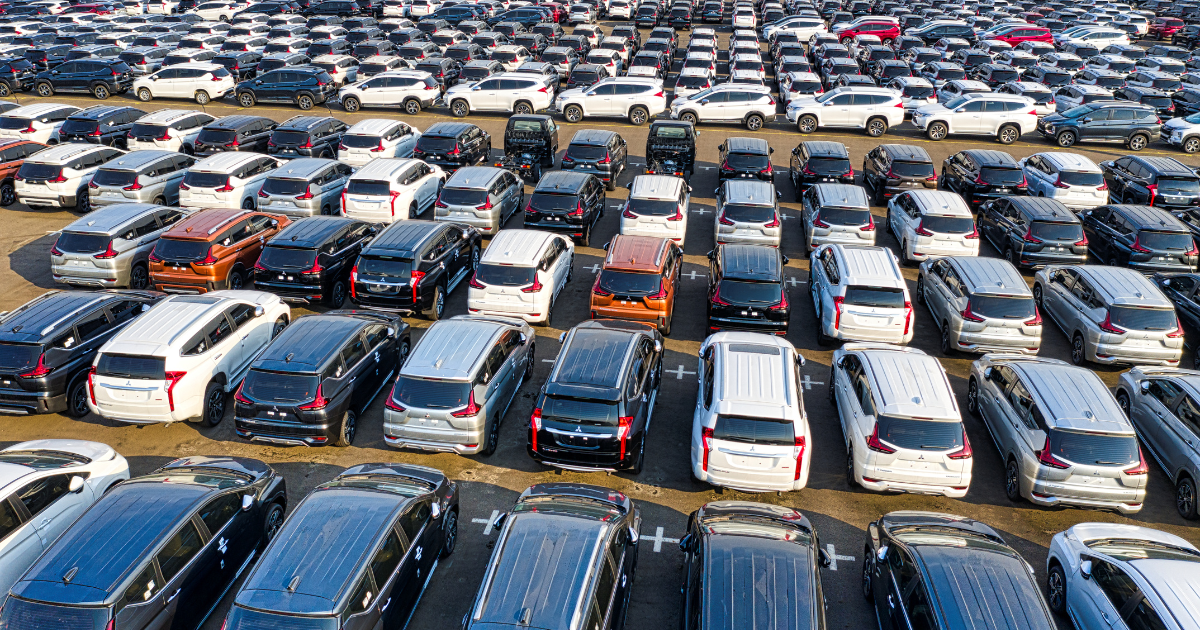
Inventory is central to every dealership’s success, but it’s also one of the hardest elements to predict accurately. Too much stock ties up resources, and too little leads to missed sales. Predictive analytics helps balance that equation.
By studying past sales, regional trends, and online behavior, AI can forecast which models will see the most demand in upcoming months. For instance, if data suggests that truck sales typically rise before summer in a particular region, marketing can prepare early with targeted campaigns.
Predictive tools also help with pre-launch campaigns. If data indicates growing interest in hybrids or electric vehicles, dealerships can start advertising upcoming arrivals before they hit the lot.
This level of foresight in digital marketing for car dealerships reduces inventory risk and ensures that marketing aligns with real customer interest.
AI-Powered Chatbots and Conversational Marketing

Most dealership websites attract a high number of visitors, but many people leave without engaging. AI chatbots can help this by providing instant, accurate responses to customer questions. They can also schedule appointments, quote prices, or guide users through financing options all in real time.
Predictive AI enhances these systems by analyzing user behavior to anticipate intent. For example, if a visitor lingers on the trade-in page, the chatbot can offer a valuation tool or invite them to schedule an appraisal.
These small interactions create meaningful engagement that moves customers further along the buying process. Chatbots also capture leads during off-hours, keeping dealership communication open 24/7.
Integrating conversational AI into digital marketing for car dealerships ensures that no opportunity goes unanswered. It improves response times, enhances customer satisfaction, and allows sales teams to focus on qualified leads instead of routine inquiries.
Integrating AI Insights with CRM and BDC Operations

AI and predictive analytics only create value when they connect directly to dealership operations. That means integrating insights into CRM systems and BDC workflows.
For example, predictive tools can prioritize leads within the CRM based on buying likelihood. A customer flagged as “high intent” can automatically appear at the top of the BDC’s call list. AI can also suggest the best time to reach out or provide tailored conversation starters based on past interactions.
When these systems feed into daily routines, marketing, BDC, and sales align naturally. The CRM stays organized, communication becomes more relevant, and follow-ups happen at the right time.
In this context, digital marketing for car dealerships becomes a unified system rather than separate departments operating independently. Predictive intelligence turns raw data into coordinated action by helping teams work smarter and improving the customer experience across every touchpoint.
The Future of AI and Predictive Marketing for Dealerships
Adopting AI and predictive analytics helps dealerships will stay ahead as the technology matures.
In the coming years, it is expected that AI will automate even more marketing functions, from ad creative testing to dynamic pricing recommendations. Predictive models will continue to refine segmentation, ensuring every campaign feels timely and relevant.
The focus will likely shift from collecting data to using it responsibly and strategically. Dealerships that invest in data literacy and structured systems will see stronger customer relationships and more consistent performance.
Ultimately, the purpose of digital marketing for car dealerships isn’t just to generate leads but to create meaningful, informed communication with customers. AI makes that communication more accurate, efficient, and measurable.
Final Words
RevDojo helps dealerships apply AI and predictive analytics effectively through structured training and real-world application.
Our Learning Management System offers comprehensive courses on digital marketing for car dealerships, covering AI integration, data interpretation, and campaign strategy. Teams can learn at their own pace and implement what they learn immediately.
The platform includes over 1,500 lessons in automotive sales, digital marketing, and BDC performance which are all designed to help dealerships operate with more confidence and insight.
To prepare your team for the next phase of data-driven marketing, explore RevDojo’s training solutions today.
All blog posts
No blogs available

RevDojo is the all-in-one solution for automotive businesses looking to thrive in today's competitive market.
©2026 Revdojo. All rights reserved.