Published 12 Apr 2024
Test Drive Tips for Maximizing Sales Opportunities
Test drives aren’t just about letting the customer take the vehicle out for a spin. It’s a great opportunity to connect a vehicle with a customer’s specific needs. In today’s blog, we’re talking about how you can make every test drive a memorable experience that actually seals the deal. Let’s get started!
Understanding Customer Expectations

Understanding customer expectations during a test drive is crucial if you want to close more car deals. Each customer has a unique set of criteria for choosing a vehicle and the demo drive is the perfect opportunity to see if it meets their specific needs.
During this part of the car buying process, it’s important to engage with customers, ask the right questions,a dn tailor the test drive in a way that highlights the features that align with their priorities.
For instance, if the customer is a parent, they’re more likely to value safety features and space. Meanwhile, tech-savvy professionals might prioritize advanced features like climate control, keyless entry, blindspot monitoring, and connectivity options.
Recognizing these needs not only helps you build a connection with your customers but also increases the likelihood of a sale. When you effectively understand and address customer expectations during a test drive, you can create a personalized experience that influences purchasing decisions.
Maximizing the Test Drive Experience
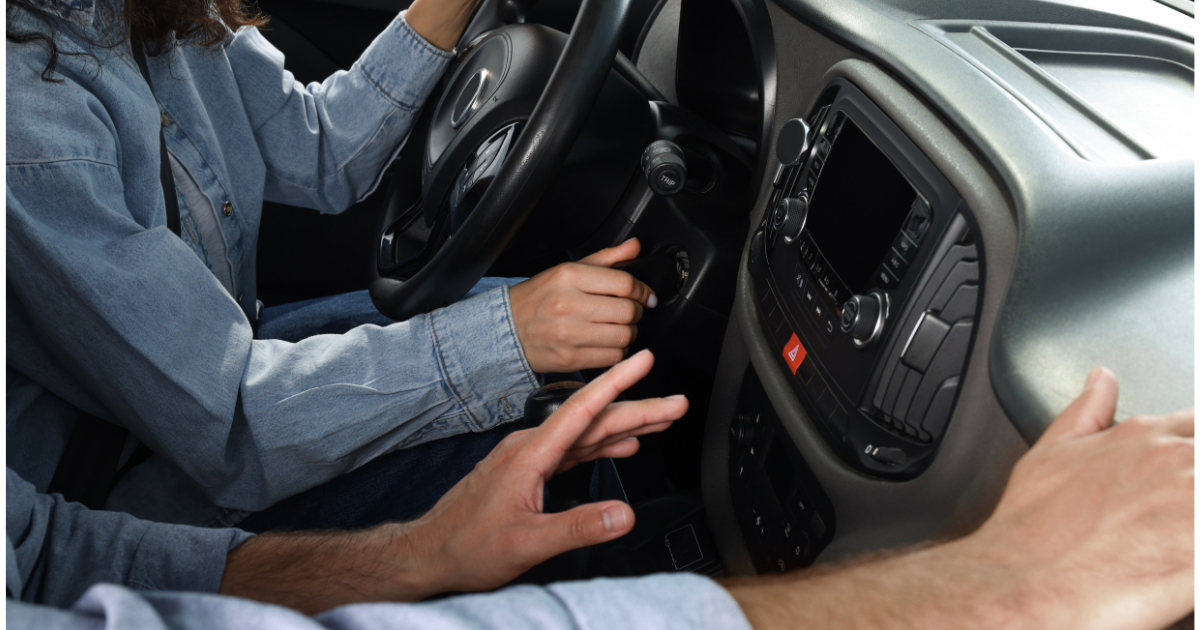
Maximizing the test drive experience is all about personalization. Here are some ways to help your customers feel that their needs and preferences are catered to during the test drive:
-
Have a Pre-Drive Conversation. Start with a conversation before getting into the car. Ask questions about the customer's current vehicle, what they like and dislike about it, and what they are looking for in a new car. This will help you understand their priorities and tailor the test drive accordingly.
-
Highlight Relevant Features. Based on your pre-drive conversation, you can then focus on demonstrating the features that align with their interests. For example, if their focus is on safety, spend time explaining the car’s safety features to them. If they care about performance, take them on a route that allows them to experience the power and handling of the vehicle.
-
Adjust the Environment. If the customer enjoys music, demonstrate the quality of the car’s audio system. On the other hand, if they appreciate a quiet cabin, point out that the car’s design minimizes road noise. You can also adjust the seats, climate control, and the mirrors to make them feel more comfortable.
-
Engage on the Drive. During the drive, engage in light conversation about how the car feels and how it compares to their expectations. Ask open-ended questions that encourage them to provide feedback about their experience in real-time.
-
Encourage Exploration. On the way back to the dealership, hand over the keys to the customer so they can drive the car. Let them explore the car’s features. This hands-on experience can help them connect more deeply with the vehicle.
-
Follow-Up After the Drive. After the test drive, discuss the customer’s thoughts and address any remaining questions they may have. You can also schedule another test drive if they feel unsure or if they need more time to evaluate.
Key Features to Demonstrate

During a test drive, demonstrating the right features of the car can significantly influence a customer's buying decision. Here are some essential car features to highlight, tailored to align with different customer priorities:
Safety features are always a top priority for many buyers, especially families. Show off the airbags, anti-lock braking system (SBS), stability control, and advanced driver assistance systems including adaptive cruise control, lane-keeping assistance, and automatic emergency braking.
For customers who are interested in the driving dynamic of a vehicle, focus on engine specs, acceleration, braking efficiency, and handling characteristics. Choose a route that allows the customer to test these features.
It’s also a good idea to demonstrate how the vehicle ensures comfort on long journeys. Show off features like adjustable seating, climate control systems, and noise insulation. You can also show practical features like cup holders, storage compartments, and ease of entry and exit.
For customers who are interested in technology and connectivity, play up the infotainment system, smartphone integration, GPS navigation, voice commands, and digital dashboards. Focus on how these systems work and how they can make the driving experience more convenient and enjoyable.
For the cost-conscious and environmentally-aware customer, talk about fuel efficiency and eco-friendly features. Focus on consumption figures, eco-driving indicators, and, if applicable, hybrid or electric vehicle technology like regenerative braking systems.
You can also talk about the interior quality of the vehicle. Talk about the materials used inside the cabin, the build quality, and other luxury touches like leather seats, panoramic sunroofs, or high-end audio systems.
In addition, you can demonstrate the vehicle’s cargo space and versatility. Show the seat configuration, ease of folding down seats, and talk about the vehicle’s carrying capacity.
It’s also a good idea to talk about warranty and maintenance services. Even if this is not a physical feature of the vehicle, talking about this can reassure them about reliability as well as total cost of ownership.
Engaging and Informative Interaction

During the test drive, it’s important to create an engaging and informative interaction to create a positive experience for this customer. Here are some strategies for engagement that don’t overwhelm the customer while demonstrating a car’s features.
Listen actively to the customers. Ask open-ended questions about their needs and preferences. You can then use their responses to guide your demo drive cover aspects of the car that are most relevant to them.
Avoid jargon and overly technical language. When explaining the features of a car, use simple language that can help them understand how certain features can enhance their daily drive. For example, if you’re talking about the anti-lock braking system, explain how it can help prevent skidding and enhance safety during abrupt stops.
Relate car features to everyday real-life situations. For drivers who live in busy cities or areas where parking is a challenge, discuss how features like a rearview camera and automatic parking systems can simplify the process of parking in tight spots. Describe how these technologies can help them park confidently and quickly, reducing the stress of navigating crowded parking lots.
Be responsive to their body language. Pay attention to the non-verbal cues they’re giving you. If they seem interested in a particular feature, you can expand on it. On the flip side, if they don’t seem to be interested in something, you can tactfully shift the discussion to another feature that might be more interesting to them.
Don’t be afraid of silence. ALlow some quiet moments with the customer. This can help them experience the car for themselves without interruption.
Addressing Concerns and Questions

Addressing customer concerns during a test drive is essential for building trust and satisfaction. When customers raise concerns, they're seeking assurance not just about the car’s features, but also about making the right decision. By actively listening and responding effectively, you create a positive and supportive experience that can significantly influence their purchasing decision. Here's how you can expertly navigate and address customer concerns during a test drive, ensuring they feel confident, informed, and respected throughout their decision-making process.
Acknowledge and Validate the Concern. Start by acknowledging the customer's concern. Validating their feelings can make them feel heard and respected, which is essential for building trust. For example, if a customer is worried about the car's fuel efficiency, you could say, "I understand your concern about fuel efficiency; it’s an important factor for many drivers."
Provide Information and Reassurance. Address the concern by providing relevant information. Use this opportunity to explain how the car meets their specific needs or concerns. If the concern was about fuel efficiency, you could discuss the car’s miles per gallon, compare it to other models, and talk about cost-saving benefits over time.
Demonstrate and Involve. Whenever possible, demonstrate how the car addresses their concern. If the issue is about safety, show them the safety features in action during the test drive, such as emergency braking or blind spot alerts. Involve the customer by having them test or engage with features directly related to their concerns.
Follow-Up After Addressing. After you’ve addressed the concern, check to ensure the customer is satisfied with the explanation and demonstration. Ask if there are any additional questions or if they need further clarification on other aspects of the car.
Create an Opportunity for Further Discussion. Let them know that they can reach out any time with more questions or for more information. Provide them with your contact information and reassure them of your willingness to assist in the future.
Follow-Up After the Test Drive

Follow-up communication after a test drive is a critical component of the sales process in the automotive industry. This step not only helps gauge customer interest but also provides an opportunity to address any remaining questions and concerns that might prevent a sale.
Timing is Key. Reach out within 24 hours of the test drive while the experience is still fresh in the customer’s mind. This prompt follow-up demonstrates your commitment to customer service and keeps the momentum going.
Choose the Right Medium Depending on the customer's preference, follow up via phone, email, or text. Some customers prefer a quick text message, while others might appreciate a more personal phone call.
Be Concise and Focused. Whether calling or writing, keep the communication concise and focused. Remind them of the model they drove and touch on a few key features they liked. Ask if they have any further questions or if there are other models they are considering.
Offer Additional Incentives: If appropriate, inform them about any ongoing promotions or financing options that might make the purchase more attractive or feasible.
Invite Them Back: Sometimes, one test drive isn’t enough. Invite them for another test drive or to come in and look at other models. Offer to schedule a follow-up appointment at their convenience.
Seek Feedback: Asking for feedback about their test drive experience can provide insights into their level of interest and reveal improvements you could make in your sales approach.
Leveraging Test Drives for Sales
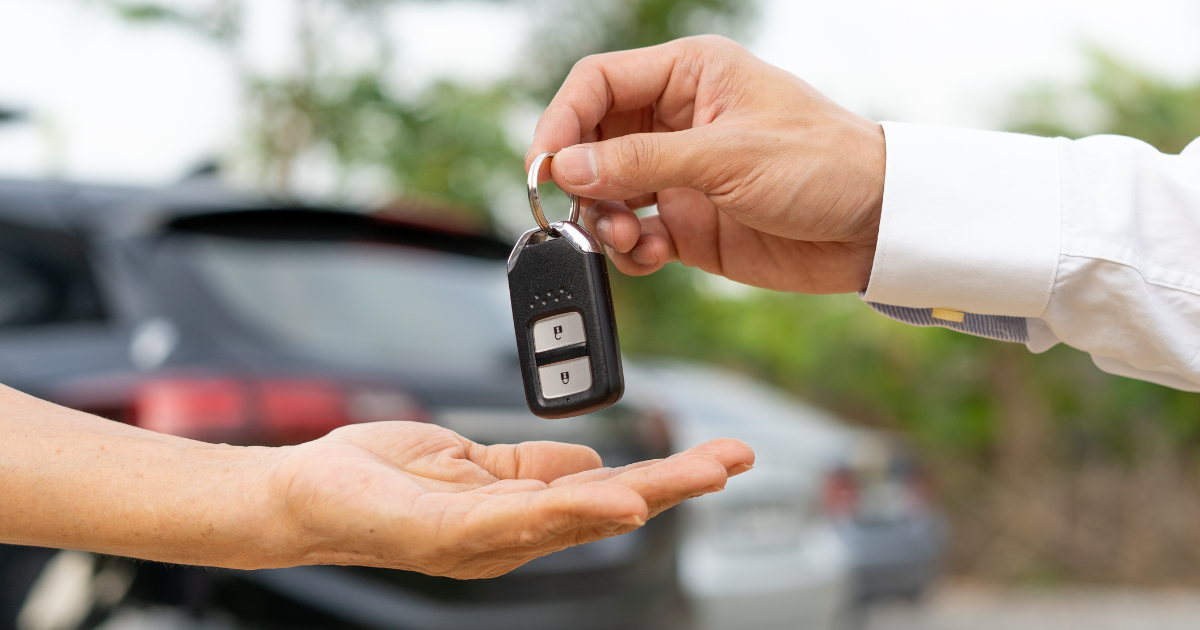
Transitioning from a test drive to discussing sales opportunities smoothly and without pressure is essential for closing deals effectively. Here’s how to do it:
Build a Consultative Relationship
-
Focus on Experience: Emphasize matching the car to the customer’s needs, setting a consultative, not transactional, tone.
-
Use Open-Ended Questions: Engage with questions about their likes and concerns during the test drive to show your focus on their satisfaction.
Listen and Tailor Your Approach
-
Gauge Interest: Observe their feedback and body language to assess their readiness to buy.
-
Address Concerns: If they express reservations, provide tailored responses, such as explaining financing options.
Transition to Sale
-
Highlight Benefits: At the end of the drive, recap the features that align with their needs.
-
Soft Introduction to Sale: Suggest moving to purchase options gently, for example, "Would you like to explore some purchasing options?"
-
Provide Space: If they're hesitant, offer them time to think and propose a respectful follow-up.
Final Thoughts
An effective test drive is more than just a routine step in the car buying process; it’s a pivotal opportunity to connect with customers and maximize sales potential. By focusing on the customer's experience, actively listening to their needs, and gently guiding them towards a purchase, sales professionals can transform a simple test drive into a powerful sales tool.
Have you found particular techniques that work well during test drives? Or perhaps you have a memorable test drive story where a specific approach helped close a sale? Share your experiences and tips in the comments below.
All blog posts
No blogs available

RevDojo is the all-in-one solution for automotive businesses looking to thrive in today's competitive market.
©2026 Revdojo. All rights reserved.